
How to prepare Carrots as Baby Food
Learn everything about Carrots
Carrots are a root vegetable, often orange in color, with a crisp texture and sweet flavor. Carrots are rich in vitamin A, vitamin K, folate, dietary fiber, and other nutrients. Carrots are a good source of beta-carotene which is converted to vitamin A in the body.
They are a low-calorie food that is an important part of a balanced diet. The average size of a carrot is 4 inches and they can be found year-round but they are most common during the late summer months when they are harvested fresh from the ground. The average weight of a carrot is between 1.8 and 2.2 pounds, and the colors of carrots include purple, red, white, orange, and yellow. Carrots can be eaten raw or cooked and can be found in many cuisines.
Carrots are a root vegetable that is cultivated for their edible, orange taproot. The most common type of carrot is a cultivar of Daucus carota, descended from the wild variety Daucus carota var. sativus. They were originally purple or white, but an accidental crossbreeding with a cultivar of yellow carrot gave rise to the deep orange color of modern carrots.
The scientific name of carrot is Daucus carota. This orange vegetable is native to Afghanistan, Lebanon, and Iran and it has been cultivated for at least 3,000 years in Eastern Europe, North Africa, and the Middle East. Carrots are one of the earliest vegetables to be cultivated and enjoyed. The word carrot comes from the Middle English term ‘Carote’ which is derived from the Medieval Latin word ‘Carota’ (Italian form).
China is the major producer of carrots in the world. The country produced more than 1 billion tons of carrots in the year 2016. It was followed by India which produced about 600 million tons of carrots that year.
Nutrients and Healthy Benefits of Carrots
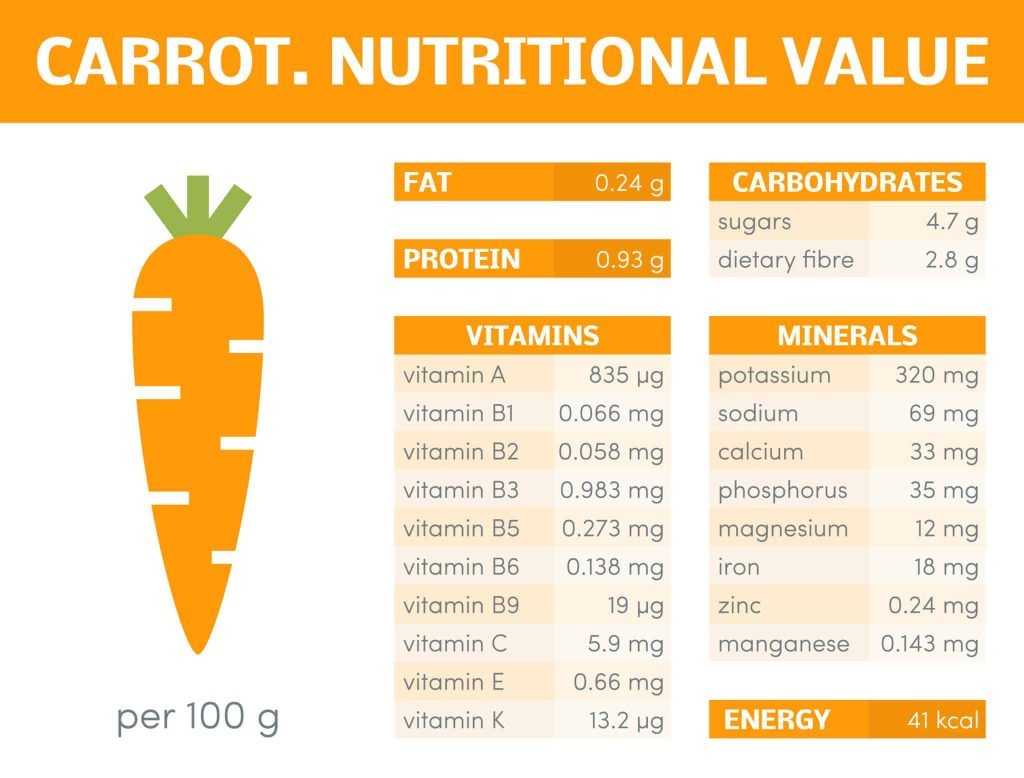
Carrots contain a wide range of essential nutrients that are important for health. They are an excellent source of vitamin A (a component of retinol) which is necessary for vision and skin health as well as maintaining immunity and healthy cells. Carrots also contain vitamins B, C, D, and E which help with stress, inflammation, and maintaining a healthy heart.
Carrots are one of the best vegetables to consume. They are high in beta-carotene, which is an important vitamin for healthy skin. Carrots also provide fiber and potassium, important nutrients for heart health. Carrots are low in calories, but they have twice as many calories as an apple. There are 9 grams of carbohydrates in fresh carrots.
Carrots are a rich source of proteins, which are important nutrients that help with the digestive process, cell growth, and maintaining tissues. Carrots also contain a variety of important minerals including calcium, iron, and phosphorus. However, they can be high in fat content so it is best to eat them in moderation.
Eating carrots can help prevent cardiovascular disease and cancer. Carrots are a good source of beta-carotene. Beta-carotene is an antioxidant that improves the immune system and helps protect cells from damage. Carrots are also high in potassium which can help reduce blood pressure and prevent heart disease.
What Baby Foods can we Prepare using Carrots?
I recommend this puree for children above 8 months. You can use beans, Potatoes, or Almonds also if your child loves their taste. But make sure that your child is not allergic to those add-ons.
Homemade Carrot Puree
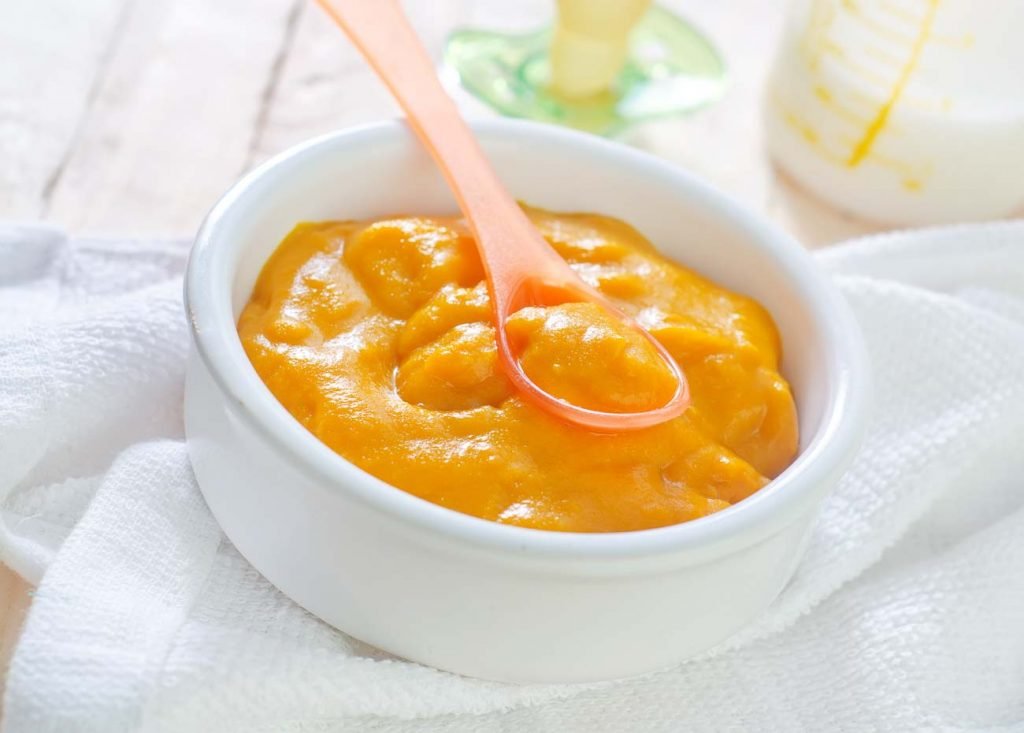
- First, wash the carrots properly and remove all the damaged rotten parts,
- Then peel all the carrots properly and chop them into small pieces.
- Then cook all the chopped carrot chunks by steaming, roasting, or boiling.
- Transfer cooked carrots to a blender or food processor for blending.
- Blend until it achieves a thickness similar to that of pureed carrots. You can add breast milk, formula, or water if needed. Stage one eaters may find pureed carrots too thick. A way to make it more drinkable is to add breast milk, formula, or water.
- Let it cool, then serve or store in covered containers for future use.
Carrot puree can be stored in the fridge for up to 3 days or in the freezer for up to 3 months.
What kind of carrots should I use?
Use fresh, organic whole carrots. Peel and chop the carrots well before cooking I know it’s an extra step, but I do recommend peeling them to remove any dirt particles and/or pesticide residue. Carrots that are peeled taste better. Their taste can be earthy when the peel is on. You can save time and energy by using baby carrots, which are pre-cut, so you don’t have to peel them yourself.
Can I combine this puree with other baby food or puree?
You can mix purees from this recipe with some sort of fruit or vegetable puree like apple, sweet potato, banana, ground beans, or even butternut squash. You can also stir in olive oil or butter to make flavor and fats richer. (Fats are essential for child development).
How to store this Puree?
After you puree the carrot, let the mixture cool down and put it into BPA-free containers or an ice tray. Then you can store this in your refrigerator or freezer.
VLogs about making Carrot Puree for a baby - https://www.youtube.com/results?search_query=how+to+make+a+carrot+puree+for+baby+
Please Contact Us for more Info - https://bdfoodinfo.com/contact-us/
Read More - https://nextgenreaders.com/ingredients-of-ice-cream/